 scale(0.3267)'%3E%3Cpath d='M 272.75 221.49 A 88 88 0 0 1 426.92 152.85 A 20 20 0 0 1 396.50 178.83 A 48 48 0 0 0 312.41 216.27 A 20 20 0 0 1 272.75 221.49 Z' fill='%23F26A4B'%3E%3C/path%3E%3Cpath d='M 327.00 210.00 a 33 33 0 1 0 66 0 a 33 33 0 1 0 -66 0 Z' fill='%23F26A4B'%3E%3C/path%3E%3Cpath d='M 413.90 205.43 A 88 88 0 0 1 563.68 283.16 A 20 20 0 0 1 524.40 275.58 A 48 48 0 0 0 442.70 233.18 A 20 20 0 0 1 413.90 205.43 Z' fill='%23F7A93E'%3E%3C/path%3E%3Cpath d='M 444.27 266.48 a 33 33 0 1 0 66 0 a 33 33 0 1 0 -66 0 Z' fill='%23F7A93E'%3E%3C/path%3E%3Cpath d='M 514.46 305.76 A 88 88 0 0 1 547.07 471.33 A 20 20 0 0 1 528.51 435.90 A 48 48 0 0 0 510.72 345.59 A 20 20 0 0 1 514.46 305.76 Z' fill='%23F6CB2A'%3E%3C/path%3E%3Cpath d='M 473.24 393.38 a 33 33 0 1 0 66 0 a 33 33 0 1 0 -66 0 Z' fill='%23F6CB2A'%3E%3C/path%3E%3Cpath d='M 498.71 446.94 A 88 88 0 0 1 389.59 575.67 A 20 20 0 0 1 405.72 539.07 A 48 48 0 0 0 465.24 468.85 A 20 20 0 0 1 498.71 446.94 Z' fill='%233FAE49'%3E%3C/path%3E%3Cpath d='M 392.08 495.15 a 33 33 0 1 0 66 0 a 33 33 0 1 0 -66 0 Z' fill='%233FAE49'%3E%3C/path%3E%3Cpath d='M 378.51 522.65 A 88 88 0 0 1 209.83 517.60 A 20 20 0 0 1 248.51 507.40 A 48 48 0 0 0 340.51 510.15 A 20 20 0 0 1 378.51 522.65 Z' fill='%2322B8A8'%3E%3C/path%3E%3Cpath d='M 261.92 495.15 a 33 33 0 1 0 66 0 a 33 33 0 1 0 -66 0 Z' fill='%2322B8A8'%3E%3C/path%3E%3Cpath d='M 244.37 475.88 A 88 88 0 0 1 143.15 340.86 A 20 20 0 0 1 175.25 364.73 A 48 48 0 0 0 230.46 438.38 A 20 20 0 0 1 244.37 475.88 Z' fill='%234A90D9'%3E%3C/path%3E%3Cpath d='M 180.76 393.38 a 33 33 0 1 0 66 0 a 33 33 0 1 0 -66 0 Z' fill='%234A90D9'%3E%3C/path%3E%3Cpath d='M 197.31 341.85 A 88 88 0 0 1 239.76 178.53 A 20 20 0 0 1 241.11 218.50 A 48 48 0 0 0 217.95 307.59 A 20 20 0 0 1 197.31 341.85 Z' fill='%23AB6DB4'%3E%3C/path%3E%3Cpath d='M 209.73 266.48 a 33 33 0 1 0 66 0 a 33 33 0 1 0 -66 0 Z' fill='%23AB6DB4'%3E%3C/path%3E%3C/g%3E%3Cg transform='translate(-16.776 0)'%3E%3Cpath d='M941.28 332.40L941.28 332.40Q931.68 332.40 922.80 329.88Q913.92 327.36 906.48 322.68Q899.04 318 893.52 311.28L893.52 311.28L910.32 294.48Q916.32 301.44 924.12 304.92Q931.92 308.40 941.76 308.40L941.76 308.40Q950.64 308.40 955.20 305.76Q959.76 303.12 959.76 298.08L959.76 298.08Q959.76 292.80 955.44 289.92Q951.12 287.04 944.28 285Q937.44 282.96 929.88 280.80Q922.32 278.64 915.48 274.92Q908.64 271.20 904.32 264.72Q900 258.24 900 247.92L900 247.92Q900 236.88 905.16 228.96Q910.32 221.04 919.80 216.72Q929.28 212.40 942.48 212.40L942.48 212.40Q956.40 212.40 967.08 217.32Q977.76 222.24 984.96 232.08L984.96 232.08L968.16 248.88Q963.12 242.64 956.64 239.52Q950.16 236.40 941.76 236.40L941.76 236.40Q933.84 236.40 929.52 238.80Q925.20 241.20 925.20 245.76L925.20 245.76Q925.20 250.56 929.52 253.20Q933.84 255.84 940.68 257.76Q947.52 259.68 955.08 261.96Q962.64 264.24 969.48 268.20Q976.32 272.16 980.64 278.76Q984.96 285.36 984.96 295.92L984.96 295.92Q984.96 312.72 973.20 322.56Q961.44 332.40 941.28 332.40Z' fill='%23123a41'%3E%3C/path%3E%3C/g%3E%3C/svg%3E)
Workplace Monitoring Has Quietly Gone Algorithmic — the Numbers Show It
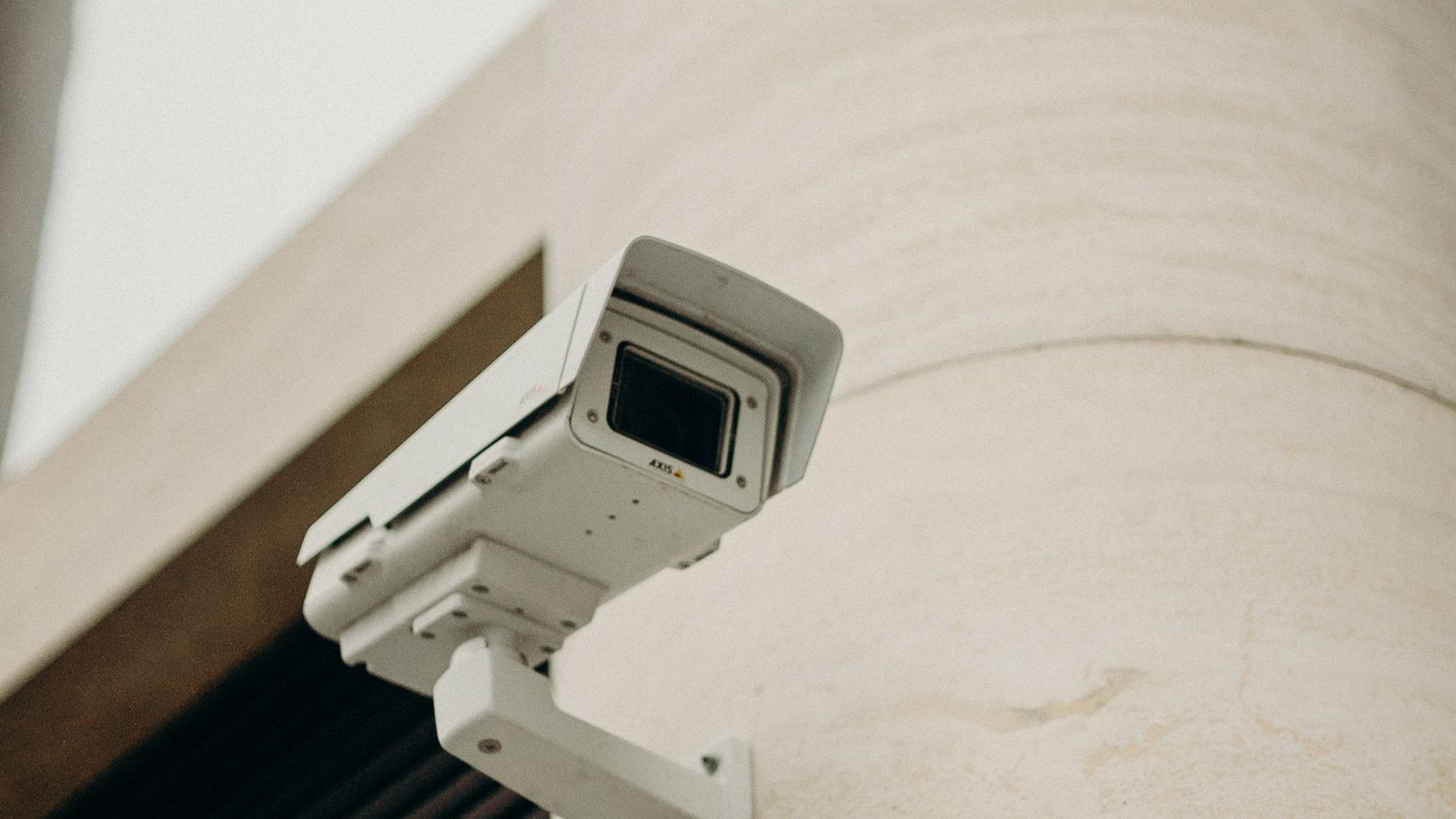
Data shows 61% of US companies now use AI-powered analytics to assess employee behavior, and two-thirds collect some form of biometric data — a real shift from simple monitoring to algorithmic evaluation.
Workplace monitoring in the US has shifted meaningfully from simple activity tracking toward algorithm-driven evaluation, according to a data-heavy compilation from High5Test. The numbers: 61% of US companies now use AI-powered analytics to assess employee productivity or behavior, 74% use online tracking tools of some kind, and 67% collect some form of biometric data from employees.
That's a meaningfully different posture than monitoring simply logging hours or app usage — it implies systems that are actively interpreting behavior and, in many cases, generating scores or assessments that can feed into performance or disciplinary decisions.
Why it matters for HR and HR tech buyers
If your organization uses any AI-based productivity or behavior analytics, it's worth confirming whether outputs feed directly into formal decisions (performance ratings, discipline, termination) or serve purely as informational dashboards for managers — that distinction carries very different legal and trust implications, and many organizations haven't drawn the line explicitly.
The Peoplos take
Biometric data collection specifically carries its own, often stricter, legal requirements in many US states (Illinois' BIPA being the best-known example) — if your monitoring stack touches biometrics at all, that's worth a dedicated compliance review rather than folding it into general HR-tech due diligence.
Zusammenfassung nach High5Test, veröffentlicht am 14. Januar 2026. Sie gibt den Inhalt sinngemäß wieder und ist keine wörtliche Übernahme; den vollständigen Text findest du bei der Quelle.